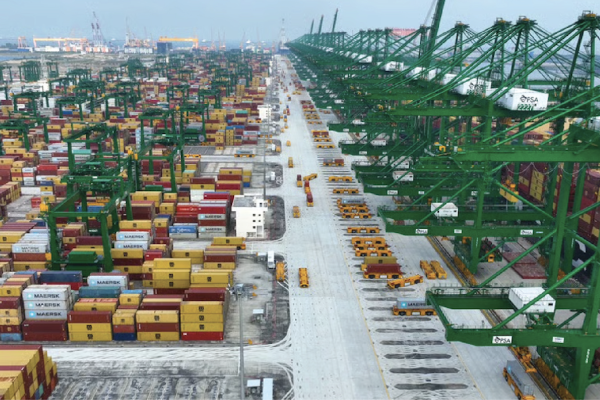
Bangladesh's economy is deeply anchored in maritime trade. Seaports serve as the country's principal gateways for exports and imports, sustaining industrial growth, facilitating international commerce, and generating vital foreign exchange earnings. As trade volumes have expanded over the years, port infrastructure has also grown to support the nation's export-led development ambitions. Yet, despite this progress, critical vulnerabilities remain. Many port systems continue to rely on outdated processes that undermine efficiency, regulatory oversight, and enforcement effectiveness.
In today's interconnected global economy, modern ports are no longer just logistics hubs; they are strategic assets. Efficient, well-governed ports enhance trade competitiveness, attract investment, and play a decisive role in preventing illicit activities. Weak port controls create opportunities for illegal flows, including illicit cigarettes, counterfeit consumer goods, and substandard medicines, to enter domestic markets. 1 These illicit imports pose serious risks to public health, erode government revenue, and distort fair competition. Strengthening and modernizing port systems is therefore essential to safeguarding commerce, protecting consumers, and maintaining regulatory integrity.
Bangladesh's Evolving Port Landscape Bangladesh's major seaports are undergoing significant transformation aimed at improving operational efficiency and global competitiveness. At Chattogram Port, the government has announced plans to terminals, such as Laldia and New Mooring, to experienced foreign operators under long-term arrangements. This move reflects a broader effort to attract private capital, international expertise, and modern management practices. Capacity expansion, deployment of modern cargo-handling equipment, and gradual integration of digital systems have contributed to higher container throughput, reduced vessel
turnaround times, and smoother cargo flows. 2 Similarly, Mongla Port is expanding through dredging initiatives, terminal upgrades, and increased ship calls to
improve throughput and revenue generation. 3 These developments are positive and necessary. When paired with robust digital customs systems and
coordinated enforcement mechanisms, port modernization can significantly reduce vulnerabilities that allow illicit goods to infiltrate legitimate supply chains.
Persistent Challenges to Trade Integrity
Despite visible progress, structural and operational challenges continue to undermine port performance and enforcement effectiveness. Congestion, legacy infrastructure, and procedural inefficiencies slow cargo movement and extend vessel waiting times, creating gaps that illicit actors exploit. Heavy reliance on manual inspections and limited automation weaken monitoring capacity, making it difficult to detect misdeclared or prohibited consignments.
Under-invoicing, false declarations, and document manipulation remain common tactics used by smugglers.
The economic cost is substantial: as per the latest news reports, illicit cigarette trade is estimated to deprive the national exchequer of approximately Tk 10,000 crore annually. 4
Beyond revenue erosion, illicit trade undermines regulatory credibility, exposes consumers to unsafe products, and penalizes legitimate businesses that comply with tax and customs requirements. Addressing these risks requires more than incremental improvements, it demands systemic modernization.
Learning from Regional Peers
When benchmarked against regional peers, Bangladesh's ports and customs systems still have considerable ground to cover. Singapore operates one of the world's most automated and tightly monitored port ecosystems.
Vietnam has strengthened regional cooperation and digitized trade processes, while Sri Lanka has invested in modern port governance and oversight frameworks. Gaps in automation, intelligence-led enforcement, and real-time monitoring leave Bangladesh more exposed to illicit flows, weakening trade competitiveness and diminishing investor confidence.
Economic and Investment Implications
The economic consequences of weak port enforcement extend far beyond revenue losses. Smuggling,
under-invoicing, and misdeclaration disrupt market dynamics and raise the cost of doing business for compliant operators. Persistent congestion at Chattogram Port, occasional customs system disruptions, and container backlogs add uncertainty and operational costs for trade-dependent industries.
Illicit trade also signals regulatory weakness, a key concern for foreign and domestic investors seeking predictable, transparent trade environments. The scale of the challenge is evident in the tobacco sector alone, where the illicit cigarette market has expanded by over 30 percent, with an estimated 832 million illegal cigarette sticks entering the market every month, bypassing import duties that can exceed 600 percent, as per the latest news reports. 5
Strengthening port governance is therefore critical not only to protect revenue but also to sustain investor confidence and economic stability.
The Broader Benefits of Modern Ports
Modern ports deliver multidimensional benefits. Advanced cargo-handling infrastructure, integrated digital customs platforms, and real-time surveillance systems significantly reduce opportunities for smuggling, misdecla-ration, and fraud. Effective enforcement helps intercept illicit cigarettes, counterfeit cosmetics, substandard pharmaceuticals, and other prohibited goods before they reach consumers.
Improved systems also enhance revenue collection by ensuring accurate assessment and payment of duties and taxes. At the same time, streamlined processes reduce congestion and clearance delays, enabling customs officials to focus on high-risk consignments while facilitating faster clearance for compliant trade. The result is a safer marketplace, stronger regulatory control, and a more competitive trading environment.
The Way Forward
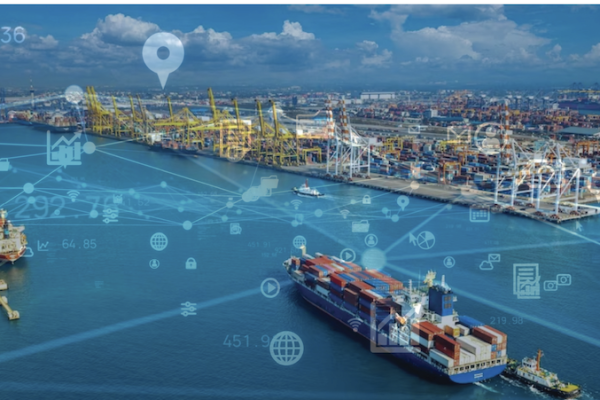
A decisive shift toward fully digital customs and documentation systems is a critical next step. Digitalization minimizes human discretion, reduces corruption risks, and creates transparent, tamper-resistant processes that significantly curtail illicit imports. Risk-based inspection regimes, rather than random checks, allow authorities to concentrate resources on high-risk shipments, including illicit cigarettes, prohibited goods, and unsafe consumer products.
Capacity-building initiatives, such as those under the UNODC's Passenger and Cargo Control Programme, have already demonstrated the value of intelligence-led profiling, data analytics, and targeted inspections. 6
These approaches improve interception rates while ensuring legitimate trade flows remain uninterrupted.
Equally important is strengthening transparency, accountability, and inter-agency coordination across ports, customs, border forces, and law enforcement agencies. The planned transition to fully paperless customs processes by 2028 can further reduce discretionary power and close loopholes exploited by criminal networks.
Coordinated intelligence-sharing and joint enforcement actions are essential to dismantling organized smuggling operations that adapt quickly to regulatory weaknesses.
Modern, efficient ports are foundational to Bangladesh's trade ambitions and investment attractiveness. By combining upgraded infrastructure with digital systems, risk-based enforcement, and strong institutional coordination, Bangladesh can secure its ports against illicit flows while enhancing competitiveness and revenue protection. Such reforms will not only strengthen public finances and protect consumers but also send a clear signal to investors that Bangladesh is committed to transparent, secure, and efficient trade facilitation.