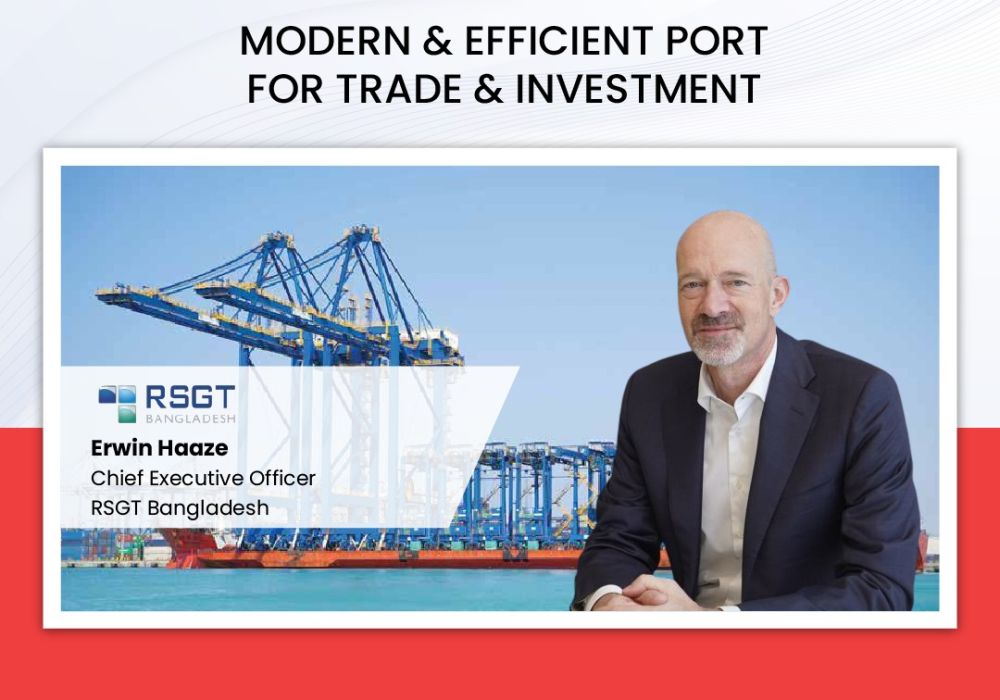
Bangladesh stands at a defining stage in its economic journey. As the country steadily moves beyond a manufacturing-driven growth model toward deeper integration with global trade and investment networks, logistics efficiency has become a decisive competitive advantage. At the heart of this shift is Chittagong Port, the nation's primary maritime gateway, now undergoing a quiet but far-reaching transformation.
Targeted infrastructure development, supportive policy reforms, and the growing involvement of experienced international terminal operators are collectively repositioning Chittagong Port as a more modern, efficient, and investment-ready logistics hub. These advancements are particularly vital for trade-driven sectors such as garments, footwear, agro-processing, and emerging industries including light engineering and electronics assembly, where dependable supply chains are essential to global competitiveness.
Strengthening the Logistics Chain
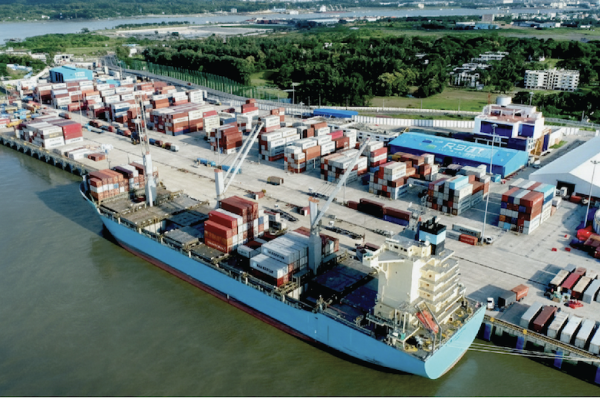
Recent operational improvements at Chittagong Port are beginning to resolve long-standing constraints.
Optimized yard configurations, modern cargo-handling equipment, improved vessel planning, and digital operational controls have collectively boosted productivity and eased congestion. As a result, berth utilization has improved, container throughput has increased, and vessel waiting times have declined, delivering direct benefits to exporters and importers alike.
The participation of professional terminal operators such as RSGT Chittagong has played a significant role in this progress. Targeted investments have strengthened key links across the logistics chain, including faster yard operations, enhanced container visibility, safer handling practices, improved equipment availability, and more predictable vessel turnaround times. Together, these improvements enhance supply chain reliability, lower logistics costs, and reinforce Bangladesh's export-led growth strategy
Beyond Infrastructure: Modernizing the Entire Ecosystem
While terminal-level upgrades are critical, meaningful logistics transformation depends on modernization across the broader port and trade ecosystem. This requires coordinated reforms involving customs, port authorities, banks, freight forwarders, and regulatory bodies.
Priority areas for continued development include:
- Streamlined NBR and customs procedures, including risk-based inspections, pre-arrival processing, and faster clearance for compliant cargo
- Automated payment systems to minimize manual processing and delays
- Reduced paperwork through digital documentation and electronic data interchange
- A fully operational Port Community System (PCS) connecting all stakeholders through a unified digital platform
In parallel, the Chittagong Port Authority (CPA) has a crucial role in progressively reinforcing its landlord port model-focusing on regulation, planning, and oversight while enabling private operators to deliver efficient terminal services. This approach reflects global best practices and supports sustainable capacity expansion.
Creating an Attractive Investment Environment
Collectively, these initiatives are delivering a more efficient, transparent, and predictable logistics environment.
Reduced vessel delays, higher yard productivity, and improved cargo-handling capacity are translating into tangible business benefits. Faster cargo movement lowers inventory holding costs, improves cash flow, and strengthens Bangladesh's appeal as a destination for foreign direct investment (FDI).
Increasingly, investors view ports not merely as transport nodes, but as critical enablers of industrial growth, export diversification, and regional competitiveness. Efficient ports support port-centric industrialization, special economic zones, and value-added logistics activities such as parts consolidation, light assembly, and final product shipment areas where Bangladesh holds considerable growth potential.
Policy Leadership and Sustainability
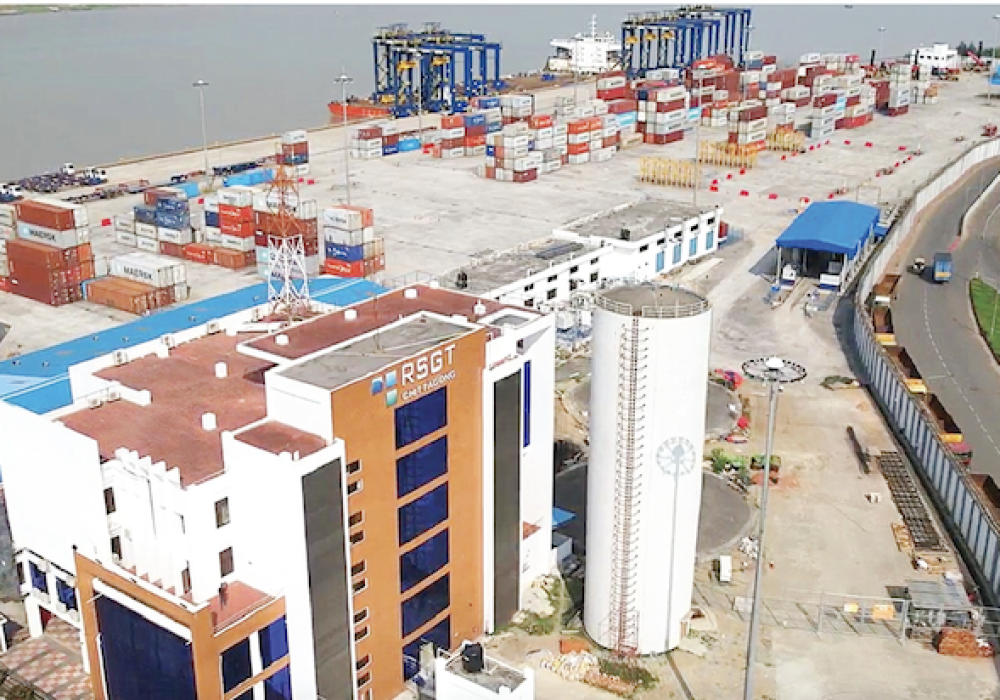
Sustained policy leadership has been essential in maintaining momentum. Investment facilitation initiatives led by the Bangladesh Investment Development Authority (BIDA) have helped align infrastructure development with investor expectations. Streamlined approvals, targeted reforms, and coordinated stakeholder engagement are enhancing transparency and predictability across the investment landscape.
At the same time, sustainability has become an integral component of port development. Modern terminals are increasingly adopting energy-efficient equipment, environmentally responsible operating practices, and digital solutions to reduce emissions and environmental impact. Compliance with global ESG standards is no longer optional, as international customers and shipping lines increasingly demand adherence to defined environmental and safety benchmarks. Alignment with these standards is critical to safeguarding Bangladesh's future trade opportunities.
FICCI