As Bangladesh prepares its national budget for FY 2026-27, the economy reflects both challenges and opportunities.
GDP growth slowed to 4.0% in FY2025 and is projected at 4.6% in FY2026 by the World Bank, marking the third
consecutive year of deceleration. Inflation remains elevated at 8-10, eroding household purchasing power and
dampening private consumption. Private sector credit growth fell to a historic low of 6.1% in late 2025, signaling
investor caution.
Yet resilience is evident. Remittances grew by 27.6% in FY2025, exports rose by 11%, and the current account swung to
a surplus of USD 149 million after a large deficit the previous year. Foreign exchange reserves have also strengthened,
reflecting improved balance of payments and external support. These indicators highlight the potential to reposition
Bangladesh as a competitive destination for foreign direct investment (FDI).
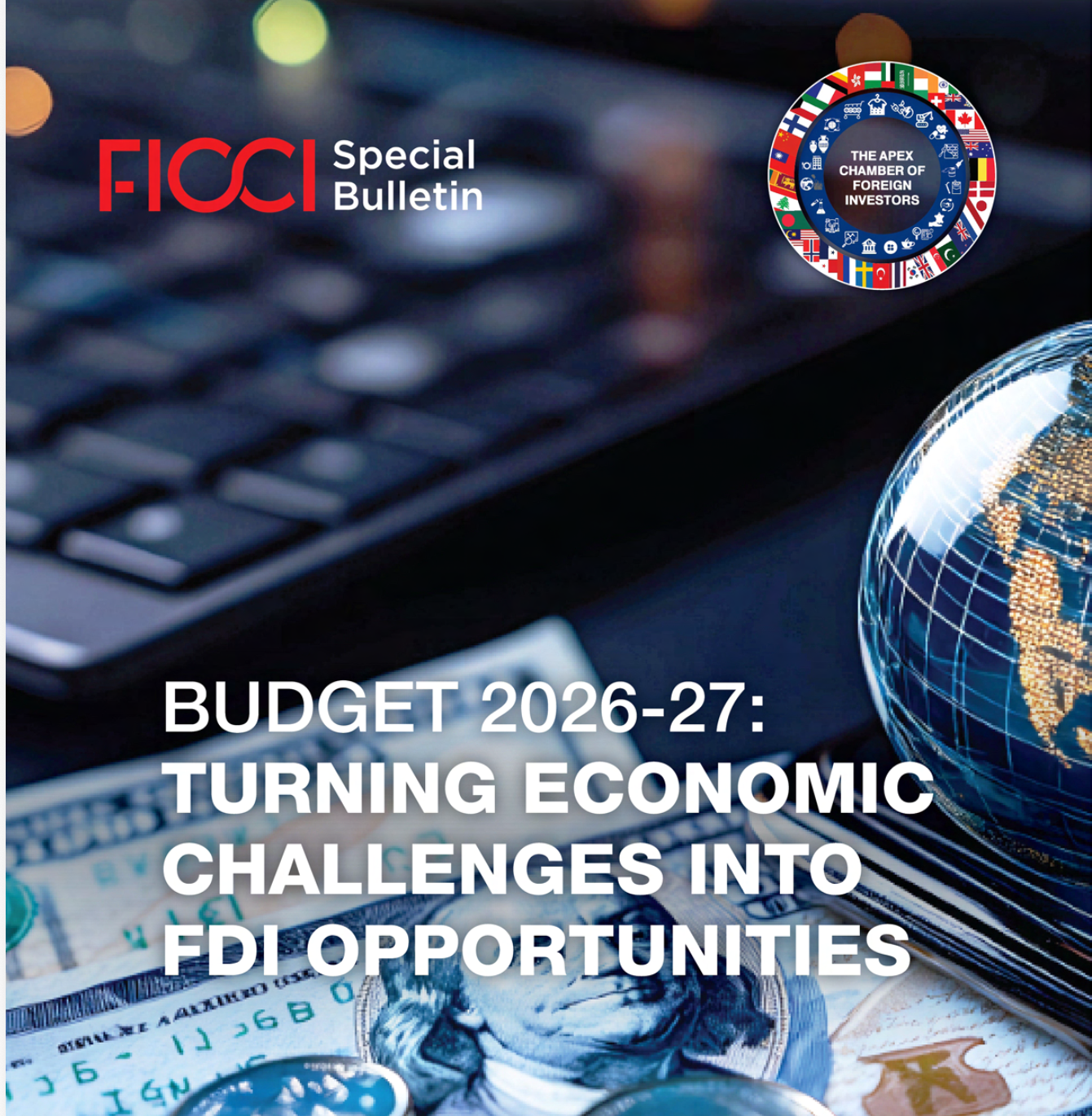
This edition of the FICCI Bulletin, themed BUDGET 2026-27: TURNING ECONOMIC CHALLENGES INTO FDI
OPPORTUNITIES, explores how the upcoming budget can serve as a strategic instrument to restore confidence,
unlock investment, and drive sustainable growth. A forward-looking fiscal approach is essential, not only to stabilize the
economy but also to lay the foundation for long-term resilience.
Investment incentives and tax reforms will be central to shaping investor sentiment. Simplifying the tax regime.
ensuring consistency in implementation, and offering targeted incentives can enhance Bangladesh's attractiveness.
Equally important is fostering transparency and predictability to ease business operations.
Macroeconomic stability must remain a priority. Managing public borrowing, foreign exchange reserves, and private
sector credit requires coordinated policies. Strengthening fiscal discipline, improving revenue mobilization, and
channeling expenditure toward productive sectors will help maintain stability while supporting growth.
Rebuilding investor confidence is vital. Predictable fiscal measures, consistent regulation, and active public-private
dialogue can create a conducive investment climate. Evidence-based policymaking will ensure reforms are practical
and impactful.
This issue brings together expert analyses and contributions from FICCI members across sectors. I sincerely thank all
contributors, sponsors, and the Secretariat for their dedication in bringing this edition to life.
FICCI remains committed to working with government and stakeholders to advocate for transparent, consistent, and
investor-friendly policies. With the right mix of fiscal prudence and pro-investment measures, Bangladesh can
transform current challenges into opportunities for quality FDI.
Warm Regards
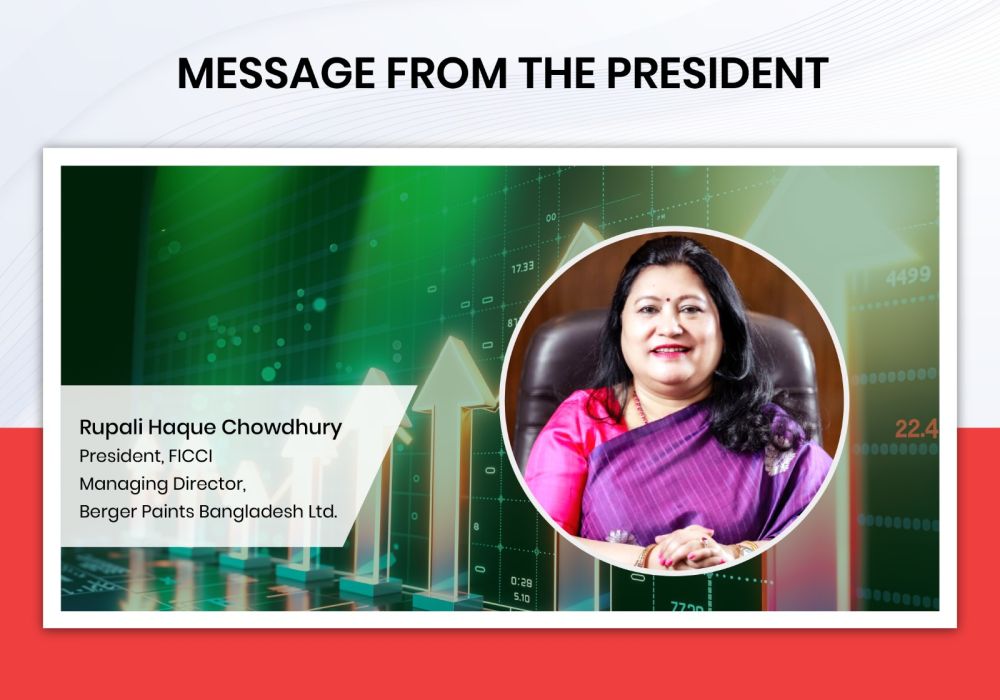
Rupali Haque Chowdhury
President, FICCI