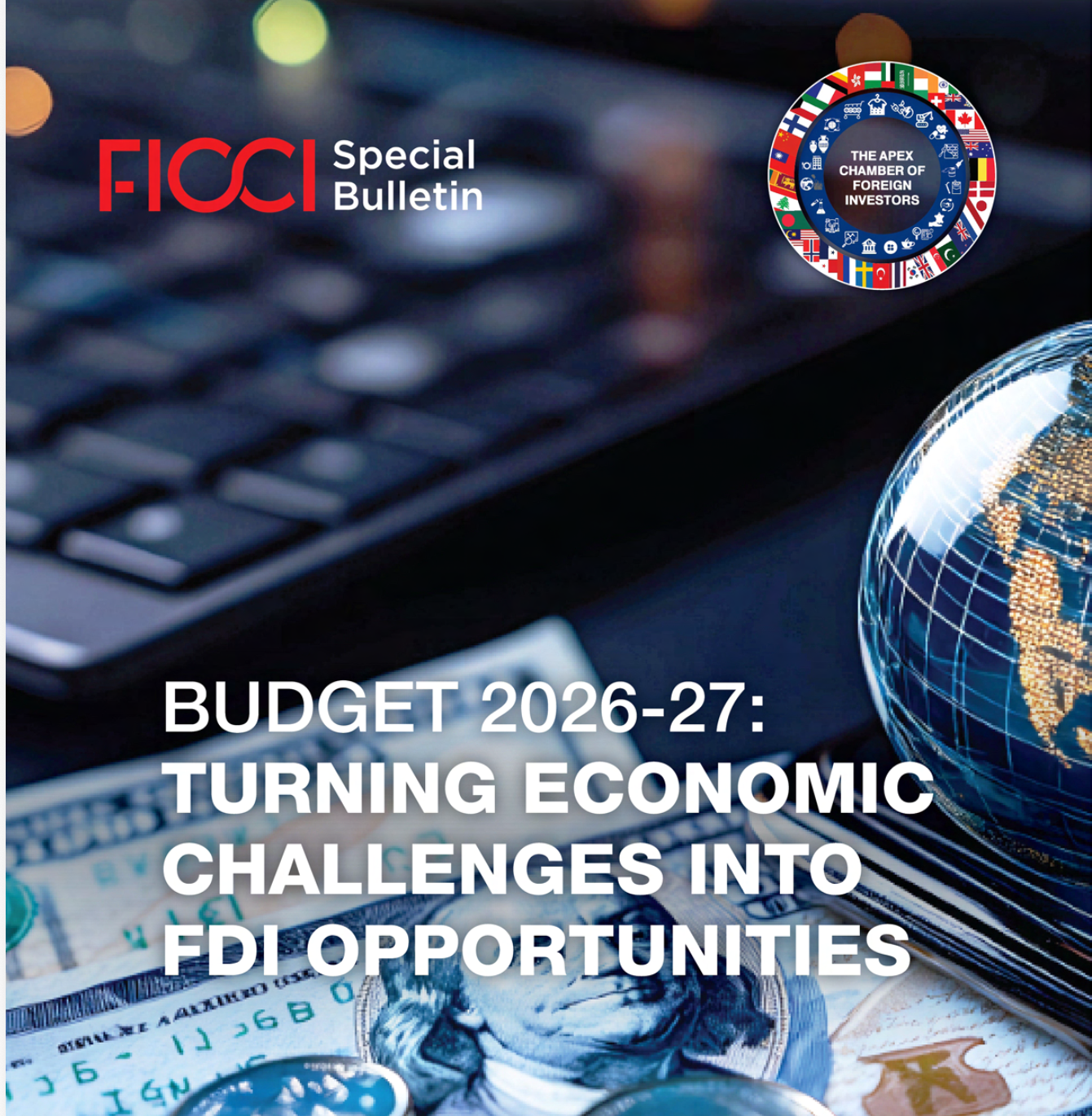
Bangladesh's Budget FY2026-27: Building Confidence for the Next Phase of Investment
As Bangladesh approaches the national budget for FY2026-27, the decisions taken today will shape not only the country's short-term economic stability but also its long-term investment trajectory. At a time when global capital is becoming increasingly selective, Bangladesh's ability to attract and retain Foreign Direct Investment (FDI) will depend on how effectively it can offer consistency, clarity, and confidence to investors.
Over the past two decades, Bangladesh has demonstrated remarkable economic resilience, supported by steady industrial growth, a rising consumer base, and an increasingly dynamic private sector. However, the current macroeconomic environment—characterized by inflationary pressures, fiscal constraints, and global uncertainty—demands renewed attention to policy coherence and long-term competitiveness.
Against this backdrop, the upcoming national budget presents a critical opportunity not only to address immediate economic challenges but also to strengthen the structural foundations that sustain investor confidence over time.
Inclusive and Predictable Policymaking
A stable investment climate begins with inclusive and predictable policymaking. Businesses and investors, who are directly affected by fiscal and regulatory changes, possess valuable practical insights that can improve policy outcomes when they are engaged early in the decision-making process.
Consultative approaches to reform help ensure that policies are grounded in operational realities and are therefore more effective during implementation. Equally important, such engagement sends a strong signal that the private sector is viewed as a partner in economic development rather than merely a regulated entity.
This sense of partnership plays a critical role in shaping long-term investor sentiment. When businesses have greater visibility into policy direction and a voice in shaping it, they are more likely to commit to sustained investment.
Improving the Business Environment and Access to Finance
Despite significant progress in recent years, administrative inefficiencies continue to pose challenges for businesses operating in Bangladesh. Delays in customs clearance, tax processing, and dispute resolution increase operational costs and introduce uncertainty, particularly for large-scale investors managing complex supply chains.
Addressing these bottlenecks through streamlined processes and greater institutional efficiency can substantially improve the ease of doing business. Enhanced coordination among regulatory agencies, clearer timelines, and more consistent enforcement practices would reduce friction and strengthen predictability.
At the same time, access to finance remains a critical driver of industrial growth. A stable, transparent, and well-governed capital market is essential for mobilizing long-term investment and supporting business expansion. Strengthening regulatory consistency, improving transparency in listing and disclosure requirements, and reinforcing market oversight can help restore investor confidence.
A more predictable capital market environment will not only facilitate access to financing for businesses but also encourage greater participation from both institutional and retail investors, contributing to deeper and more resilient financial markets.
Ensuring a Level Playing Field
A fair and transparent regulatory environment is fundamental to attracting and retaining investment. At present, multinational corporations often face more frequent audits and more extensive reporting requirements than many domestic entities. While regulatory oversight is necessary, differences in treatment can create perceptions of imbalance within the marketplace.
Moving toward a more consistent, risk-based approach to compliance—applied uniformly across all large and high-value businesses—would enhance both fairness and effectiveness. Ensuring that similar businesses are subject to similar standards, regardless of ownership structure, is essential for reinforcing confidence in the system.
In this regard, expanding centralized oversight frameworks such as the Large Taxpayer Unit (LTU) of the National Board of Revenue (NBR) to include all major contributors could play an important role. Bringing both multinational and large domestic firms under a common compliance structure would improve transparency, strengthen accountability, and help establish a more level playing field across the economy.
Prioritizing Long-Term Policy and Fiscal Stability
Fiscal policy must strike a careful balance between immediate revenue needs and long-term economic sustainability. Measures that place additional pressure on already compliant taxpayers may generate short-term gains, but they risk discouraging investment and weakening competitiveness over time.
A more sustainable approach lies in broadening the tax base, strengthening compliance mechanisms, and gradually bringing more economic activity into the formal sector. This would not only support revenue generation but also distribute the tax burden more equitably.
Equally important is the need for policy consistency. Frequent and abrupt changes to tax structures or regulatory frameworks create uncertainty, making it difficult for businesses to plan investments with confidence. A predictable fiscal and regulatory roadmap spanning five to ten years would provide greater clarity and facilitate long-term decision-making.
Such an approach would align fiscal policy more closely with broader economic development objectives, supporting sustained growth rather than short-term adjustments.
Supporting High-Value, Revenue-Contributing Sectors
Certain sectors make disproportionately significant contributions to government revenue, employment generation, and foreign investment. These industries often operate within complex regulatory environments and therefore require a high degree of policy clarity and consistency.
Maintaining stability in these sectors is essential not only for ensuring continuity in revenue collection but also for reinforcing Bangladesh's credibility as an investment destination. Policy uncertainty in such areas can create ripple effects throughout the broader economy, influencing investor sentiment and long-term capital flows.
Providing clear and consistent policy signals to these sectors will help sustain their contributions while encouraging further investment, innovation, and expansion.
At a Defining Economic Moment
Bangladesh stands at an important crossroads. With a new chapter unfolding after more than a decade, the choices made in the FY2026-27 budget can either reinforce investor confidence or introduce uncertainty at a time when global competition for capital is intensifying.
Handled with consistency, transparency, and a long-term perspective, this budget can move beyond addressing immediate challenges and instead lay the foundation for sustained investment, stronger institutional trust, and continued economic progress.
A stable and forward-looking policy environment will not only attract capital but also help anchor Bangladesh's next phase of growth—transforming today's policy decisions into tomorrow's prosperity.