Bangladesh's economic story is one of remarkable resilience and quiet ambition. From the bustling factory floors, goods travel far beyond our borders. Textiles, apparel, and an increasingly diverse range of manufactured products that the world wants are coming from Bangladesh. But beyond the cargo, the ships lined up on the horizon at Chattogram carry something more: determination, livelihoods, and Bangladesh's stake in global trade.
Over 90% of the country's international trade flows through Chattogram Port, the beating heart of an ecosystem that keeps the economy moving.
Yet as global trade has expanded in both volume and complexity, the infrastructure has started to show signs of strain. Congestion has impacted logistics costs and delivery times. Bangladesh now faces a decision: either continue with incremental improvements or think bigger and prepare its maritime infrastructure to meet tomorrow's demands. A Strategic Commitment at a Pivotal
A Strategic Commitment at a Pivotal Moment
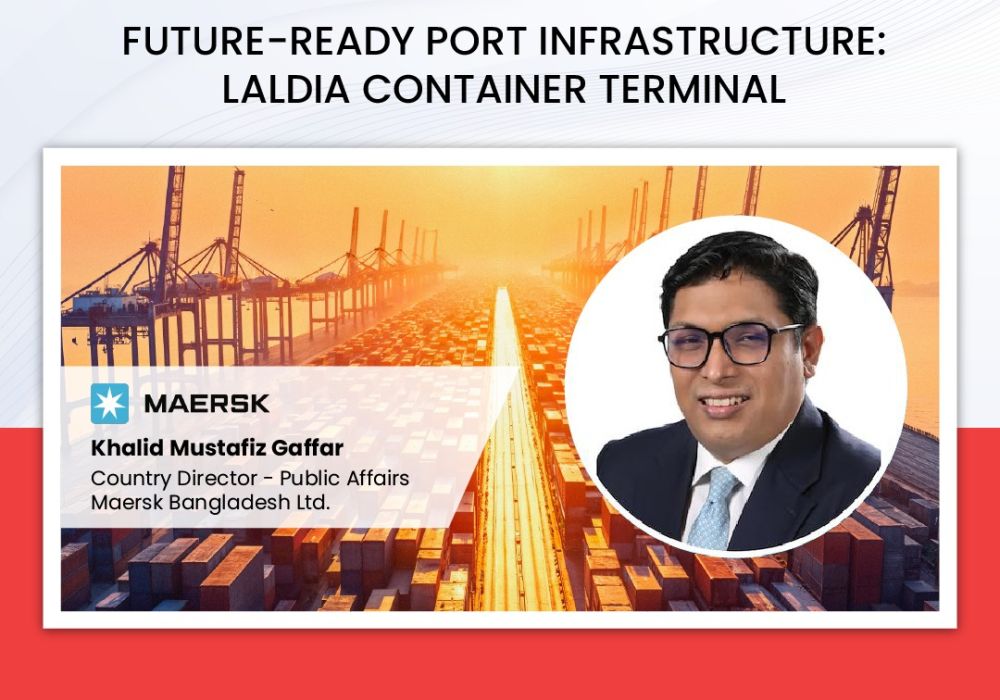
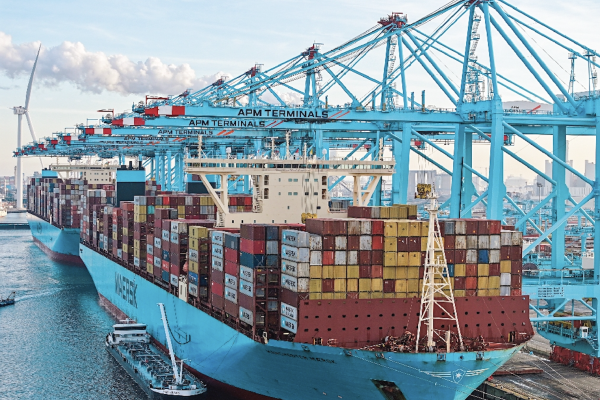
The Laldia Container Terminal represents that bigger thinking. It is a $550+ million investment that signals Bangladesh's readiness for the next chapter of its trade development. For APM Terminals, this commitment reflects three converging factors. First, Bangladesh's economic trajectory remains strong, anchored by a resilient export base. Second, when Bangladesh's graduates from Least Developed Country status, the transition will unlock new trade opportunities but will demand world-class infrastructure to capitalise on them. And third, there is genuine momentum around reform and environment conducive public-private partnerships.APM Terminals' decision to invest at this scale is grounded in both market need and policy alignment. When infrastructure gaps meet government commitment and a framework that enables international best practices through a greenfield model, the investment case becomes clear.
A Partnership Built Over
It's worth noting that A.P. Moller - Maersk's presence in Bangladesh's logistics and shipping sector dates back to the 1980s. This is not a newly formed engagement, but rather the continuation of a partnership built over decades. Laldia is the next step in our long-standing relationship, reflecting our confidence in Bangladesh's future and our commitment to its trade development.
Laldia Container Terminal is a story of collaboration. The terminal itself is structured as a government-to-government and public-private partnership between Bangladesh and Denmark. APM Terminals will design, finance, build,and operate the terminal over a 30-year period, with potential for extension. This model places the commercial risk squarely on the company's shoulders. The land remains with the country; APM Terminals doesn't generate revenue until the terminal is operational. Any delays directly impact the company's returns. We've staked both our commercial and reputational capital on delivering this project successfully and on time by 2030.
Transforming Operations
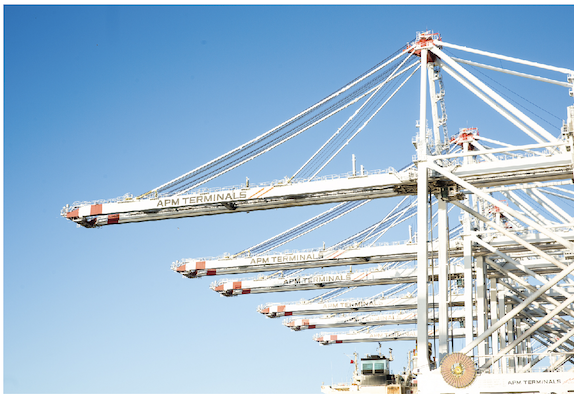
Once operational, Laldia will add over 800,000 TEUs of annual capacity to Bangladesh's container trade at full build-out, providing critical headroom to ease current bottlenecks and accommodate future growth. The terminal will be capable of handling vessels up to 6,000 TEU, compared to the current limitation of approximately 2,700 TEU. This is transformational for Bangladesh's competitive position. Larger vessels and elimination of transhipment mean quicker transit times for Bangladesh's exporters. In sectors such as garments, where lead times determine competitiveness, this results in significant reductions in total logistics costs and improved delivery predictability. It means getting products to market faster, with greater reliability.
APM Terminals operates more than 60 ports and terminals worldwide. According to the World Bank's 2025 Container Port Performance Index, we operate terminals in 10 of the 20 most efficient ports globally in 2024—more than any other terminal operator. There will be no difference in how Laldia Container Terminal is operated compared to the global portfolio. The same standards for satety, training, pertormance, and customer service will apply.
Building for a Sustainable Future
Sustainability isn't an add-on at Laldia, it's embedded in the design. APM Terminals has committed globally to achieving Net Zero emissions from operations by 2040, and Laldia will be built and operated in alignment with that ambition.
The terminal will feature electrified cargo-handling equipment, solar power installations on terminal structures, and shore-power-ready systems that enable vessels to plug into the grid rather than run auxiliary engines. These measures will reduce greenhouse gas emissions, noise, and air pollution-benefiting not just operations, but employees, nearby communities, and the environment. Beyond the infrastructure itself, Laldia will create approximately 500 direct operational jobs, as well as broader economic benefits through secondary employment and skill development. The standards we follow globally enable us to create high-quality, modern jobs in a safe and respectful work environment. We also hope to become a good neighbour by training this generation of port employees who will carry forward international best practices and contribute to Bangladesh's maritime sector for years to come.
A National Project for Collective Success
Ultimately, Laldia is more than an APM Terminals project; it is a national infrastructure asset with broad economic significance. Its success depends on the collective commitment and constructive participation of all stakehold-ers: government, regulators, shipping lines, freight forwarders, exporters, and the local community. This infrastructure will benefit the country as a whole by reducing logistics costs, improving supply chain reliabili-ty, and supporting the growth and diversification of Bangladesh's export economy. Strengthening exports drives economic growth across society, creates jobs, and builds skilled labour through knowledge transfer. It's about more than moving containers efficiently. It is about preparing Bangladesh for the future of global trade. Building a port that is bigger, smarter, greener, and more resilient. Giving exporters the confidence that their goods can reach the world reliably and sustainably. And perhaps most importantly, it reflects Bangladesh's own ambition: a commitment to shaping its future, to competing on the global stage with world-class infrastructure, and to writing the next chapter of its economic story-one container at a time.