Somewhere in Rangpur, a farmer checks the next day's weather on his phone before heading to the fields. In Chattogram, a young mother manages an online clothing store while her child sleeps beside her. In Dhaka, a university student eams through freelance projects for clients abroad. Different lives, different ambitions, yet they all share a common thread: connection.
Connectivity is now the invisible thread weaving together the fabric of the modem economy, creating a sea of opportunities. It has opened doors to innovation, productivity, and inclusion on a scale that was once unimaginable.
From infrastructure to impact
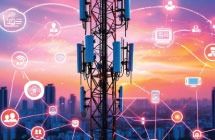 Different forces have powered this quiet revolution, and one of the most significant has been the transformation of Bangla- desh's telecommunications sector. A decade ago, internet access used to be slow, costly, and often limited to cities. Today, even in remote villages, people can stream lessons, join video calls, and run businesses online.
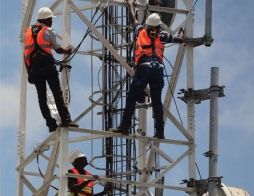
This progress is reinforced by the country's growing mobile infrastructure. With 47,714 mobile towers nationwide as of September 20251, Bangladesh has achieved unprecedented digital reach. This vast network ensures reliable connectivityneven in remote villages, empowering citizens with access to mobile banking, online education, healthcare services, and e-commerce. The expansion bridges digital divides, fuels economic inclusion, and strengthens
resilience across communities.
Keeping in line with this digital advancement, Banglalink has evolved from a conventional mobile operator into a complete digital innovator, expanding beyond connectivity to offer a range of digital services such as Toffee. RYZE, and the country's only telco-agnostic super app, MyBL Bangladesh has come a long way in connecting people nationwide; now the real opportunity lies in tuming that connectivity into something meaningful. Having access is no longer enough-people need to actively use these networks to improve their lives.
 The revolution in MFS
Nowhere is the benefit of digital connectivity more evident than in the financial sector. The mobile financial services (MFS) exemplify how digital connectivity drives economic inclusion. For a rickshaw puller, it saves a day's wages; for a rural entrepreneur, it opens new markets and credit opportunities; and for families of migrant workers, it means faster, safer remittances.
These changes go beyond convenience. Small businesses that once relied on cash can now keep digital records, access loans, and grow faster. Women entrepreneurs who lack access to banks can manage their finances independently with their mobiles. Telecom is the lifeline of MFS in Bangladesh, powering millions of daily transactions that drive commerce, support families, and keep the digital economy moving forward.
 E-commerce and digital trade
Bangladesh's e-commerce revolution reflects remarkable adaptation and entrepreneurship. Digital commerce has unlocked new economic opportunities, and today's platforms offer far more than online storefronts. Integrated logistics networks ensure fast delivery, while digital payment systems make transactions seamless. Many platforms now even support sellers with inventory management and cash-flow solutions. Together, these developments have significantly lowered the barriers to starting and scaling a business. According to Statista, Bangladesh's e-commerce market is projected to reach US$12.30 billion by 2030, growing at a CAGR of around 11.9 percent from 2025.
Empowering the workforce
Digital tools are profoundly changing traditional industries. In the garment sector, digital production planning and quality control systems help workers produce higher-quality products more efficiently.
In agriculture, connectivity brings expert knowledge directly to farmers. Real-time weather data helps them plan planting and harvesting. Market price information aids in better negotiations with buyers. Agricultural extension services that once needed in-person visits can now reach farmers through their phones. The result is better yields, higher incomes, and more sustainable farming.
For the growing community of freelancers in Bangladesh, connectivity is their passport to the global economy. Their digital workers compete for projects around the world, bringing in valuable foreign exchange while building skills that will strengthen the broader workforce.
Enhanced digital connectivity has also strengthened the public-private collaboration across Bangladesh. Government bodies and private firma now coordinate through shared digital platforms, allowing faster project execution and transparent data exchange. This collaboration has expanded broadband coverage, supported innovation hubs, and created digital skilling programs that align education with industry needs, driving inclusive growth and better service delivery nationwide.
 Another significant benefit of the stronger connectivity is that it is helping narrow down both digital and gender gaps across the country. As internet access reaches rural areas, more women are joining the online economy through leaming, entrepreneurship, and remote work. Community-based training and digital literacy initiatives are giving them new skills and financial autonomy, ensuring that the benefits of technology reach everyone, not just a connected few.
While Bangladesh's digital success story shines brightly, challenges remain. Rural communities continue to face connectivity gaps that limit access to education, finance, and opportunity. Many women still struggle to gain digital access, holding back their full participation in the economy.
However, these barriers are not permanent; with the right vision and effort, they can be turned into pathways for progress. The way forward lies in three priorities: adopting smart policies that promote innovation while ensuring user protection, sustaining investment in digital infrastructure and skills, and maintaining an unwavering commitment to inclusion.
Each new connection, every individual gaining digital skills, and each community brought online moves Bangladesh closer to realizing its full digital potential.

Digital Financial Services
Bangladesh has made strong progress in expanding nationwide connectivity, but the next chapter is about turning that access into meaningful inclusion. Digital banking is emerging as the natural next step-transforming mobile phones into gateways for savings, payments, entrepreneurship, and formal financial participation.
Our parent company, VEON'S, success in Pakistan, Uzbekistan, and Kazakhstan shows that telco-led digital financial services can thrive in markets similar to Bangladesh when they are simple, trusted, and accessible. With over 40 million monthly financial-services users across VEON markets in 202025, the model has already been proven at scale.
For Bangladesh, the potential is huge to bring the unbanked - especially women and rural communities-into the formal financial system. By turning connectivity into empowerment, digital finance can uplift small businesses, expand economic participation, and accelerate the country's journey toward inclusive national growth.