To 37-year-old Priya, healthcare was something that happened to other people, in other places.
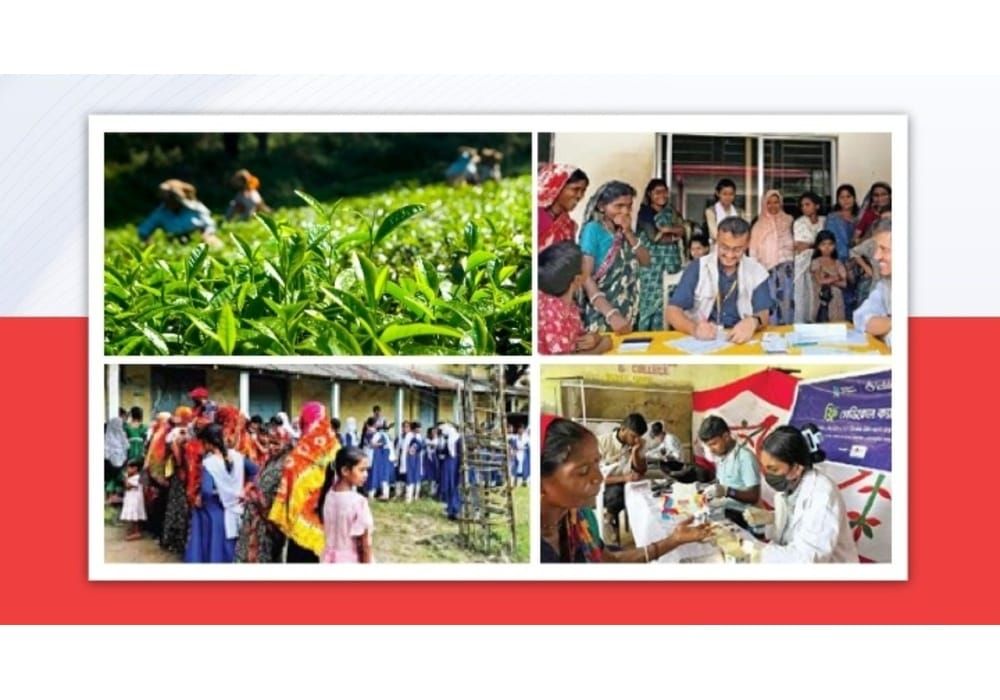
She has lived and worked in Gazipur Tea Estate in Moulvibazar her entire life. Like many women around her, she quietly lived with gynaecological discomfort for years, too shy to speak about it and unaware of where to seek help.
She had never heard of cervical cancer or understood the importance of regular screening. That changed when the NariShurokkha health camp came to her tea garden.
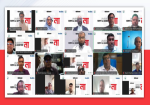
In one eight-hour camp, 373 women and adolescent girls received routine check-ups, medical consultations and awareness support. Another 42 participants joined a focused session on menstrual hygiene, sexual and reproductive health, and cervical cancer.
For Priya, the session was more than an opportunity to learn. It was a moment of recognition.
As she listened to the symptoms of cervical cancer and why women her age should undergo regular screening, she began to recognise some of her own experiences in what was being discussed. For the first time, she understood that what she had been quietly enduring was something she could seek help for.
She decided to act. Ensuring privacy and dignity, the medical team screened Priya using a VIA, or visual inspection with acetic acid test, free of cost. Her result was negative, bringing immense relief. At the same time, another treatable gynaecological issue was detected, and she received medicine and counselling.
What began with curiosity became empowerment. Priya left the camp not only with the care she needed, but also with greater knowledge and confidence. Afterwards, she encouraged other women in the estate to get screened, helping to open conversations around women's health and challenge the silence and stigma surrounding it.
Her experience reflects a wider reality for women in tea garden communities across Bangladesh, where workers are among the most marginalised, living on low incomes with limited access to modern healthcare. For women, services can be difficult to reach, too expensive, or surrounded by stigma, leaving many reproductive health concerns untreated.
NariShurokkha is helping change this. Standard Chartered Bangladesh and icddr,b have partnered to improve sexual and reproductive health and rights (SRHR) for women and adolescent girls across six remote regions of Bangladesh. Running until 2028, the initiative brings health camps like NariShurokkha directly to underserved communities, including tea gardens, haor areas and other hard-to-reach locations.
For women like Priya, change begins with the chance to ask a question, seek care and take the first step towards looking after their own health.